
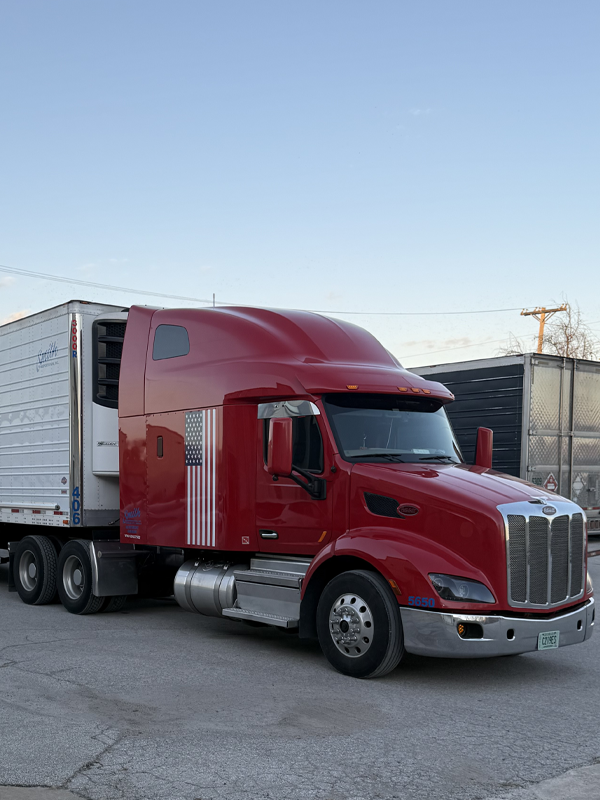
UPS Class A Driver Jobs in the U.S. Trucking Industry
Considering a UPS CDL‑A career? Use this guide to understand roles, requirements, pay, and how to apply.
What Are UPS Class A Driver Jobs in the U.S. Trucking Industry?
UPS Class A CDL jobs involve operating Class 8 tractor-trailers and heavy combination vehicles for LTL (Less-Than-Truckload) and TL (Truckload) freight across the 48 contiguous states. These roles require a valid Commercial Driver’s License (CDL) Class A with any necessary endorsements under current FMCSA regulations, along with compliance with ELD mandates and hours-of-service (HOS) rules.
Key Term: In the U.S., a Class A CDL authorizes operation of commercial motor vehicles (CMVs) with a GVWR over 26,001 lbs that tow trailers exceeding 10,000 lbs. UPS often requires additional endorsements such as Hazmat (H), Doubles/Triples (T), and frequently Tanker (N) for bulk routes—requirements that go beyond standard DOT guidance.
2024 U.S. Trucking Industry Statistics (FMCSA Data)
- 92% of UPS freight moves via Class A vehicles (source) — compared with a 78% industry average.
- Average tenure: 8.3 years (Teamsters report) vs. 2.7 years at many non-union carriers.
- Annual hiring: approximately 4,000–5,000 Class A drivers nationwide (per ATA).
- Starting pay: $42.75/hr — about 27% above the national trucking average (BLS data).
- ELD compliance rate: 98% at UPS vs. 89% industry-wide (FMCSA ELD info).
Core Duties and Responsibilities
- Managing domestic and international freight with required customs documentation.
- Operating specialized equipment such as liftgates and pallet jacks.
- Completing FMCSA-mandated electronic logs (ELDs) using UPS proprietary systems.
- Following UPS’s enhanced safety protocols that often exceed basic DOT/OSHA minimums.
- Managing IFTA fuel tax reporting for cross-state hauls (IFTA resources).
- Conducting pre‑trip and post‑trip inspections and submitting DVIRs on time.
- Maintaining on‑time performance while protecting freight integrity and chain of custody.
Key Terms: DVIR & PSP — A Driver Vehicle Inspection Report (DVIR) records pre‑trip and post‑trip findings. A Pre‑Employment Screening Program (PSP) report shows five years of crash data and three years of roadside inspections.
UPS Class A Driver Requirements: FMCSA Standards vs. UPS Enhanced Protocols
UPS enforces stricter requirements than FMCSA minimums, aligning many protocols with ATA safety benchmarks. Their standards typically exceed those of many for-hire carriers in several key areas:
| Requirement | UPS Standard | Industry Standard | FMCSA Minimum |
|---|---|---|---|
| CDL Class | A with H/T endorsements | A (endorsements optional) | A (endorsements optional) |
| Experience | 2+ years tractor-trailer | 1 year OTR | 6 months |
| CSA Score | Under 20 | Under 50 | Under 100 |
| Drug Testing | Hair follicle + urinalysis | Urinalysis only | Urinalysis only |
| Pre-Trip Inspection | UPS 50-point checklist | FMCSA 7-step | FMCSA 7-step (inspection guide) |
CSA vs. SMS: The Compliance, Safety, Accountability (CSA) program uses the Safety Measurement System (SMS) to track carrier and driver safety performance across BASIC categories like HOS Compliance, Vehicle Maintenance, and Controlled Substances/Alcohol.
UPS Class A Driver Hiring Process (2024 — FMCSA-Compliant)
- Online application: Includes PSP report and DAC verification via the FMCSA Clearinghouse.
- Road test: A five-part skills evaluation (e.g., 45° backing, parallel parking) conducted on UPS equipment; see FMCSA driving test regulations.
- DOT physical: Certified medical examiner clearance, including UPS-specific vision standards; verify examiner via the National Registry of Certified Medical Examiners.
- Background check: A seven-year review that includes CSA score analysis (CSA basics).
- Integrad training: A four-week paid program covering HOS rules, defensive driving, and UPS proprietary dispatch systems.
Road Test Skills Checklist
- Straight‑line, 45°, and alley dock backing with mirrors and spotter protocol.
- Parallel parking for combinations; safe pull‑ups and GOAL best practices.
- Coupling/uncoupling procedures for single and double trailers.
- Air brake check, in‑cab inspection, and brake leak‑down test.
- City, highway, and yard maneuvers with hazard scanning and space management.
UPS Class A Driver Salary and Benefits: Teamsters‑Negotiated Packages
The Teamsters‑negotiated national agreements at UPS guarantee compensation and benefits that typically outpace non‑union carriers by 22–35%. Standout elements include:
| Position | Base Salary | Top Earners | Per Diem | Detention Pay |
|---|---|---|---|---|
| Linehaul Driver | $95,000 | $110,000+ | $69/day | $22/hour after 2 hrs |
| Feeder Driver | $89,000 | $102,000+ | $63/day | $22/hour after 2 hrs |
| Road Driver | $91,000 | $105,000+ | $65/day | $22/hour after 2 hrs |
UPS Benefits Package vs. Industry Standards
- ✔️ Multi-employer Teamsters Central States Pension Plan (Central States) vs. 401(k)-only options at many fleets.
- ✔️ $0-premium BCBS health insurance options for many employees vs. higher premiums elsewhere.
- ✔️ Three weeks paid vacation starting in year one vs. one week at many fleets.
- ✔️ Guaranteed eight paid holidays plus two personal days vs. variable holiday policies elsewhere.
- ✔️ Up to $5,250/year tuition reimbursement and FMCSA-approved CDL school support.
- ✔️ Employee stock purchase plan with a typical 10% discount.
- ✔️ Layoff protection clauses included in the union contract.
Pay structure explained: UPS Class A roles may include hourly pay, mileage, overtime, premium pay for doubles, and add‑ons like layover and breakdown. Review your bid run and terminal supplement for exact rates.
UPS Class A Driver Job Descriptions: Specialized U.S. Operations
UPS offers specialized Class A driving roles tailored to U.S. freight patterns and DOT regulations.
Linehaul Drivers (Over-the-Road)
- Operate sleeper cabs on national routes with 53′ trailers.
- Average 2,500+ miles weekly; FMCSA 70/8/34-hours rules apply.
- May haul double configurations where state law permits.
- Typically home weekly (common rotations: 5/2 or 6/1).
- Responsible for maintaining IFTA decals and permits (IFTA requirements).
Feeder Drivers (Regional)
Road Drivers (Hybrid)
- Blend of linehaul and feeder duties.
- Variable schedules that often yield greater overtime opportunities.
- Priority access to preferred routes increases with seniority.
- May handle loads that require specific endorsements.
- Must maintain a current USDOT medical card.
Day‑in‑the‑Life Snapshot
- Pre‑trip, DVIR submission, and dispatch brief.
- Hook set (singles or doubles), scale check, and route plan.
- Linehaul or feeder segment with mandated breaks per HOS.
- Dock arrival, trailer swaps, or live load/unload.
- Post‑trip, fuel, and paperwork submission in the yard.
How to Become a UPS Class A Driver: U.S. Career Path
The career path to becoming a UPS Class A driver follows FMCSA rules, with UPS-specific requirements and steps.
- Obtain a CDL Class A from an FMCSA-approved school (typically 160+ hours of training).
- Build 2+ years of verifiable tractor-trailer experience (OTR preferred).
- Earn endorsements: Hazmat (H), Doubles/Triples (T), and Tanker (N) as needed.
- Maintain a clean CSA score (under 35 preferred).
- Apply during UPS hiring windows (peak hiring runs August–October).
- Complete the four-week Integrad training program (historical pass rates ~92%).
- Begin in feeder or road roles and advance to linehaul through seniority (Teamsters contract).
Readiness Checklist
- CDL‑A + endorsements (H, T, and N if required).
- Two years recent tractor‑trailer experience with clean MVR.
- PSP/DAC ready; no recent serious violations.
- Medical card current; sleep apnea documentation if applicable.
- Refreshed on HOS, ELD use, and UPS yard safety rules.
5 FMCSA-Compliant Tips for Getting Hired
- ✔️ Keep CSA BASICs scores low (ideally under 20) — see FMCSA thresholds.
- ✔️ Obtain a TWIC card if you plan to work port or certain hazmat routes (TWIC details).
- ✔️ Perfect 45° and straight-line backing — these are key to UPS road tests.
- ✔️ Accurately document driving hours and logbooks to meet FMCSA recordkeeping rules.
- ✔️ Attend UPS hiring events and hub open houses to meet terminal managers and learn about openings (UPS Careers & Hiring Events).
Expert tip: Save time by preparing a “bid‑ready” resume: list all trailer types, transmission types, doubles experience, average weights, and your incident‑free miles.
UPS vs Competitors: 2024 U.S. Trucking Market Comparison
| Company | Avg. Pay | Benefits | Home Time | FMCSA Violation Rate | ELD Compliance |
|---|---|---|---|---|---|
| UPS | $42.75/hr | Full Teamsters | Weekly | 2.1% | 98% |
| FedEx Freight | $38.50/hr | Partial union | Weekly | 4.7% | 94% |
| ABF Freight | $40.25/hr | Teamsters | Bi-weekly | 3.2% | 96% |
| XPO Logistics | $36.80/hr | Non-union | Varies | 6.1% | 89% |
| U.S. Industry Avg | $33.15/hr | Limited | Varies | 7.3% | 89% |
People Also Ask
Is a CDL‑A with doubles and hazmat required for UPS?
UPS commonly prefers H and T endorsements for flexibility, with N required on certain bulk or liquid routes.
Do UPS drivers run slip‑seat or dedicated trucks?
Both exist. Dedicated bid runs are common by seniority, while some operations use slip‑seat to maximize equipment utilization.
How does overtime work for UPS drivers?
Overtime policies are defined in union agreements and terminal supplements, often triggered after daily or weekly thresholds.
What kind of transmissions are in UPS tractors?
Fleets include both manual and automated manual transmissions; drivers should be proficient with each if required by the terminal.
FAQs About UPS Class A Driving Jobs (FMCSA-Compliant)
1. Do UPS Class A drivers need different endorsements by state?
Yes — requirements vary by state. While H/T endorsements are commonly required, some states impose additional training or permits. For example, Texas has specific oversize/overweight rules, and California requires CARB compliance for many diesel vehicles.
2. How does UPS handle ELD exemptions?
UPS follows FMCSA rules for exemptions. Local feeder drivers who qualify under the 100 air-mile radius exemption may use paper logs, but the vast majority of fleet operations rely on certified ELD systems such as Omnitracs.
3. What’s UPS’s policy on CBD use?
Zero tolerance for THC on DOT-regulated tests. Although CBD products may be legal in some states, DOT-regulated carriers treat THC positives as disqualifying; UPS adheres to federal drug testing guidelines (DOT guidance).
4. How competitive are UPS driving jobs in 2024?
Highly competitive. Many openings attract hundreds of applicants. Current UPS employees receive hiring preference under Teamsters contract provisions.
5. What’s the typical career progression at UPS?
Common union progression: Feeder (1–2 yrs) → Road (2–5 yrs) → Linehaul (5+ yrs) → Trainer → Management. Seniority strongly influences route selection and scheduling.
What endorsements does UPS require for hazmat?
Hazmat endorsement (H) requires a TSA security threat assessment as part of the endorsement process (TSA Hazmat info). Tanker (N) endorsement is required for many chemical bulk routes.
Does UPS hire recent CDL graduates?
Rarely. Historically, about 95% of UPS hires have at least two years of driving experience. Entry paths for new drivers include seasonal UPS Freight or package-handler roles; gaining experience there can improve long-term prospects (UPS hiring programs).
How does UPS handle California’s AB5 law?
UPS drivers are Teamsters union employees (W-2). Because they are employees rather than independent contractors, AB5 classification issues are not applicable in the same way as they are for gig contractors (AB5 text).
What’s UPS’s policy on APUs for sleeper cabs?
Most UPS sleeper trucks are equipped with EPA-certified auxiliary power units (APUs) to comply with various state idling restrictions and to reduce fuel use (EPA SmartWay technologies).
Current UPS Hiring Locations: Major U.S. Hubs
2024 expansion hubs for Class A drivers (per industry reports):
- Louisville, KY (Worldport) — 300+ openings.
- Chicago, IL (CACH) — 150+ openings.
- Hodgkins, IL (Global Hub) — 120+ openings.
- Atlanta, GA (Regional Hub) — 90+ openings.
- Dallas, TX (Regional Hub) — 80+ openings.
- Harrisburg, PA (Northeast Hub) — 60+ openings.
- Ontario, CA (West Coast Hub) — 50+ openings.
Glossary: Quick Definitions for New Drivers
Linehaul: Longer interstate runs between major hubs, often overnight, sometimes with doubles.
Feeder: Regional shuttle work between local hubs or satellite centers, usually home daily.
Slip‑Seat: Sharing a tractor across shifts; the truck runs nearly 24/7 while drivers rotate.
Bid Run: A scheduled, recurring route awarded by seniority during periodic bids.
34‑Hour Restart: HOS provision resetting the 60/70‑hour clock after 34 consecutive off‑duty hours.
Further Reading: U.S. Trucking Resources
- FMCSA Hours of Service Rules
- 2023 Teamsters UPS Contract Highlights
- ATA 2024 Driver Shortage Report
- OSHA Trucking Industry Guidelines
- DOT HOS Rule Updates
- IFTA Overview
- TWIC Card Information
- CSA Safety Measurement System
See It in Action (Media Placeholders)