
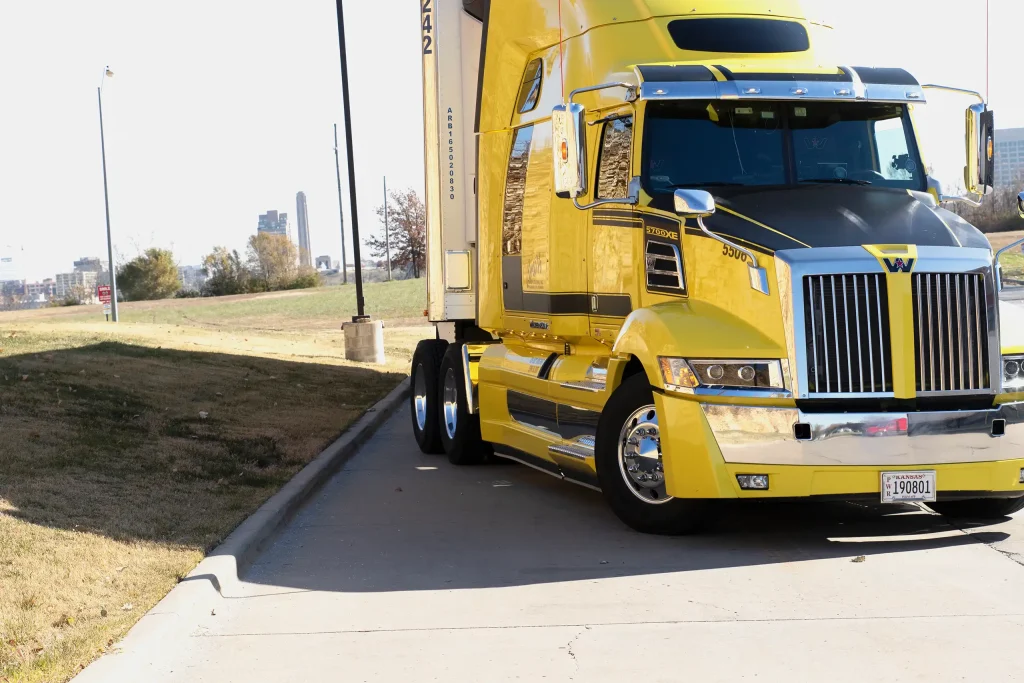
Exploring Owner Operator Jobs in Florida: Opportunities and Insights
Florida is a prime destination for trucking professionals, offering a wealth of opportunities for Owner Operator jobs in Florida. Whether you’re interested in general freight or specialized roles like a Reefer owner operator in Florida, the Sunshine State provides a thriving market for independent drivers. Many local carriers, like Smith Trucking Inc., play a significant role in connecting drivers to rewarding opportunities across the state. This guide dives into opportunities, requirements, profitability, and step-by-step strategies to succeed.
Why Florida is a Hotspot for Owner Operators
Florida’s unique geography and diverse economy make it an ideal place for Owner Operator jobs. With major ports like Miami, Jacksonville, and Tampa, the state serves as a critical gateway for domestic and international trade. Construction growth, tourism, and population inflows keep freight moving year-round.
Florida’s agriculture sector—citrus, vegetables, seafood, and nursery stock—relies heavily on temperature-controlled transport, driving steady demand for Reefer owner operators. Seasonal surges during harvest and the “snowbird” months tighten capacity and can improve rates. According to the FreightWaves industry report, Florida ranks among the top states for freight movement, supporting consistent loads and competitive pay. For state rules, the Florida Department of Highway Safety and Motor Vehicles remains a helpful resource.
Types of Owner Operator Jobs in Florida
Owner operators in Florida can choose from a variety of freight niches, depending on expertise, endorsements, and equipment.
Reefer Owner Operator
Specialize in refrigerated freight—produce, dairy, seafood, and pharmaceuticals. Florida’s agriculture and import volumes provide steady reefer loads. Learn more about reefer opportunities with CDL Jobs for Owner Operators.
Dry Van Owner Operator
Haul non-perishable, palletized goods in enclosed trailers. Dry vans offer broad demand across retail, e-commerce, and manufacturing with simpler equipment and lower maintenance than reefers.
Flatbed Owner Operator
Transport steel, lumber, machinery, and oversized loads. Flatbed work supports Florida’s construction and infrastructure projects. Resources such as Trucker Path can help identify high-demand flatbed routes in Florida.
Port and Drayage
Short-haul container work from ports to rail ramps and warehouses. TWIC credentials are typically required for unescorted access to secure areas. Expect tight appointment windows and potential detentions.
Tanker and Specialty
Fuel, chemicals, and bulk liquids require additional endorsements and strict safety standards. Specialty niches can command higher rates but come with higher compliance and insurance needs.
| Segment | Typical Freight | Seasonality | Complexity |
|---|---|---|---|
| Reefer | Produce, dairy, seafood, pharma | High during harvest/snowbird season | Temperature control, strict receiver standards |
| Dry Van | Retail, packaged foods, e-commerce | Moderate, stable year-round | Lower barrier to entry |
| Flatbed | Steel, lumber, equipment | Tied to construction cycles | Load securement expertise |
| Port/Drayage | Containers, import/export | Influenced by global trade | Port rules, TWIC, terminal schedules |
Comparison: Reefer vs Dry Van vs Flatbed
| Factor | Reefer | Dry Van | Flatbed |
|---|---|---|---|
| Typical Rates | Often higher due to temperature control | Moderate, high lane availability | Higher for specialized/oversize work |
| Equipment Cost | Higher (reefer unit, maintenance) | Lower | Moderate (tarps, chains, racks) |
| Complexity | Strict temp/FSMA compliance | Simpler operations | Securement and safety expertise |
| Common Accessorials | Lumper, detention, multi-stop | Detention, layover | Tarping, securement time |
| Seasonality | Strong produce seasonality | Steady demand | Construction-driven peaks |
| Backhaul Risk | Moderate from South Florida | Lower with broad freight mix | Moderate depending on project mix |
Pro tip: Track fuel surcharge, detention, and lumper fees on every load. These accessorials often decide whether a lane is truly profitable.
Requirements for Owner Operator Jobs in Florida
Becoming an owner operator in Florida requires meeting specific legal and professional criteria. Below is a streamlined checklist.
| Requirement | Details |
|---|---|
| Commercial Driver’s License (CDL) | A valid CDL is mandatory for operating commercial vehicles. Florida also requires endorsements for specialized loads, such as hazardous materials or refrigerated freight. |
| Medical & MVR | Maintain a valid DOT medical certificate and a clean Motor Vehicle Record to qualify with carriers and insurers. |
| Insurance | Carry primary liability, cargo, and physical damage coverage; consider occupational accident and non-trucking liability when leased on. |
| Business Registration | Register your business and obtain a USDOT number for legal operation. Helpful steps and forms are available at the FMCSA Registration portal. |
| Operating Authority (MC) | Required if running under your own authority in interstate commerce; otherwise you can lease to a carrier. |
| IFTA & IRP | Enroll in the International Fuel Tax Agreement and International Registration Plan if operating interstate with qualifying vehicles. |
| ELD & Safety Programs | Use an ELD, maintain driver qualification files, and participate in a drug and alcohol testing program. |
| TWIC (for Ports) | Needed for unescorted access to secure port facilities in Florida. |
| Equipment | Invest in a reliable truck and trailer. Reefer operators need refrigerated units; flatbed operators require specialized trailers and securement gear. |
How to Become an Owner Operator in Florida (Step-by-Step)
- Choose your niche. Decide between reefer, dry van, flatbed, drayage, or specialty based on skills, endorsements, and market demand.
- Build a startup budget. Include down payment, insurance deposit, permits, ELD, plates, and a 60–90 day operating cash cushion.
- Form your business. Register your entity, get EIN, and open a dedicated business bank account.
- Secure authority and compliance. Get USDOT/MC (if needed), enroll in drug testing, set up ELD, and file UCR, IFTA, and IRP where applicable.
- Purchase or lease equipment. Vet maintenance records, tire life, DPF/DEF history, and reefer hours if applicable.
- Arrange insurance. Shop multiple quotes; confirm coverages meet shipper or carrier minimums.
- Line up freight sources. Mix spot-market load boards with direct shipper and broker relationships; monitor lane density and backhaul options.
- Create a pricing model. Know your cost per mile, desired profit per mile, and when to add fuel surcharge or accessorials.
- Set a maintenance plan. Establish preventive schedules and a parts reserve to reduce downtime.
- Track KPIs. Monitor revenue per mile, fuel economy, deadhead percentage, and on-time performance.
Pro tip: Negotiate detention and lumper terms before tender. Confirm temperature set points and pulp checks on reefer loads to prevent claims.
Costs and Profitability in Florida
Florida can offer strong revenue, but profit depends on disciplined cost control. Break expenses into fixed and variable categories, then price loads to exceed your total cost per mile.
Typical Cost Buckets
- Fixed: Truck and trailer payments, insurance, permits, ELD, plates, subscriptions.
- Variable: Fuel, maintenance and tires, repairs, tolls, scales, accessorials, factoring.
- Reserves: Major repairs, downtime, and tax withholdings.
| Sample Monthly P&L (Illustrative) | Amount |
|---|---|
| Miles (loaded/empty) | 10,000 / 1,500 |
| Revenue per Mile (all-in) | $2.20 |
| Total Revenue | $22,000 |
| Fuel + DEF | $7,000 |
| Insurance | $1,600 |
| Truck/Trailer Payments | $3,200 |
| Maintenance/Tires | $1,400 |
| Permits/ELD/Other | $400 |
| Estimated Net (before tax) | $8,400 |
Pro tip: Reduce deadhead by favoring lanes with dense freight near Tampa, Orlando, Jacksonville, and along I‑95/I‑75. Use fuel surcharge and target shipper reloads.
Benefits of Being an Owner Operator in Florida
- Higher Earnings: Owner operators typically earn more than company drivers, as they control their rates and loads. For rate insights and market trends, check current updates on DAT Freight & Analytics.
- Flexibility: Choose your schedule, lanes, and freight type to fit personal goals and lifestyle.
- Tax Benefits: Deduct fuel, maintenance, insurance, per diem, and depreciation. Consulting resources like ATBS Tax Tips for Truckers can help maximize deductions.
- Year-Round Opportunity: Tourism, construction, and port activity help stabilize freight availability across seasons.
Ready to roll? Explore current opportunities and lease-on options for Owner Operator jobs in Florida.
Challenges and How to Overcome Them
Owner operator success takes planning. High upfront costs, fluctuating fuel prices, insurance premiums, and maintenance can pressure margins. Weather events and port congestion may cause delays. However, thoughtful strategy reduces risk and protects profit.
- Control Fuel Spend: Optimize speed, idle time, and routing; purchase fuel strategically using discounts and plan for fuel surcharge on longer hauls.
- Plan Maintenance: Follow preventive schedules, track wear items, and build a repair reserve to avoid expensive roadside events.
- Diversify Freight: Balance spot and contract freight; mix reefer/dry van lanes to manage seasonality.
- Strengthen Compliance: Keep clean inspections to improve safety scores and negotiating power.
- Use Tools and Communities: Utilize cost-saving tips from Truckers Transhed Blog. Joining a reputable trucking association offers education, advocacy, and discounts.
Florida-Specific Tips and High-Demand Lanes
- Know Your Corridors: I‑95 (East Coast), I‑75 (Gulf Coast), and I‑10 (Panhandle) concentrate freight. Orlando, Tampa, Jacksonville, and Miami offer reliable reloads.
- Plan Backhauls: South Florida often has fewer reloads. Line up outbound freight to Jacksonville, Orlando, or Atlanta before heading in.
- Seasonal Reefer: Produce season boosts reefer demand. Build relationships with shippers early to secure consistent tenders.
- Port Work: For drayage, keep TWIC current and monitor appointment systems to cut dwell and detention.
People Also Ask
Is Florida a good state for new owner operators?
Yes—dense distribution hubs, active ports, and tourism-driven demand create steady freight. Plan backhauls from South Florida to protect margins.
Do I need a TWIC card to haul from Florida ports?
Most port and drayage work requires TWIC for unescorted access to secure terminals. Check terminal rules before booking loads.
Should I get my own authority or lease onto a carrier?
New entrants often lease on to simplify insurance and compliance. Getting authority adds control but raises costs and administrative work.
Which pays more: reefer, dry van, or flatbed?
Reefer and flatbed often pay more for added complexity. Dry van offers broad availability and simpler operations.
FAQs About Owner Operator Jobs in Florida
Q: How much can I earn as an owner operator in Florida?
A: Earnings vary by freight type and experience. Many owner operators in Florida earn between $70,000 and $150,000 annually. Explore up-to-date salary averages on ZipRecruiter.
Q: What is the difference between a reefer and dry van owner operator?
A: Reefer operators transport perishable goods in refrigerated trailers, while dry van operators haul non-perishable items in enclosed trailers.
Q: Do I need a special license to become a reefer owner operator?
A: While a standard CDL is required, additional endorsements may be needed for specialized loads like refrigerated freight. Visit the Florida Highway Safety and Motor Vehicles Commercial Licensing resource.
Q: What insurance do I need in Florida?
A: Expect primary liability, cargo, and physical damage. If leased on, you may also carry non-trucking liability and occupational accident coverage.
Q: What are the most reliable Florida lanes?
A: Frequent winners include Jacksonville–Atlanta, Orlando–Carolinas, Tampa–Midwest, and Miami reloads routed through Central or North Florida.